Crimson Desert’s Executive Blames Low Critic Scores On Limited Review Playtime — But Who Sets Those Deadlines?
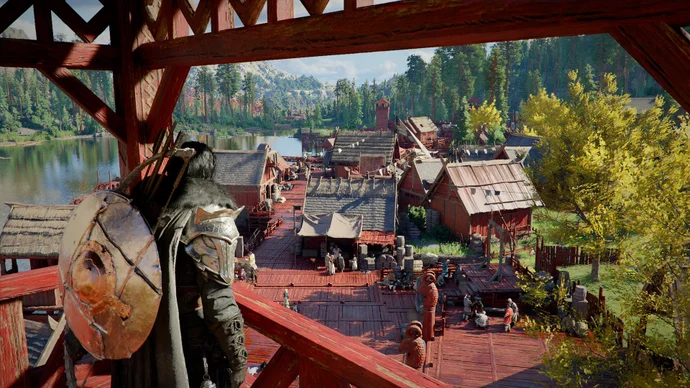
Crimson Desert launched to a noticeable gap between critic review scores and positive user reception. While many everyday players poured dozens of hours into its huge open‑world sandbox, professional critics landed on mostly middling aggregate ratings. Now a Pearl Abyss executive has offered an explanation: reviewers simply did not get enough time with the game to experience everything it has to offer. It’s a curious argument, and one that raises an obvious follow‑up question: who creates those tight review windows in the first place?
In a recent interview, Lybee Park, Pearl Abyss Europe CEO, pointed toward the constraints critics work under ahead of launch day. According to Park, reviewers were stuck chasing main‑story beats under embargo pressure. They lacked the freedom to wander off the critical path and dig into side content, emergent systems, and hidden moments that make Crimson Desert shine. She also noted that press copies differed from the final day‑one build, further limiting reviewers’ ability to judge the complete player experience.
Park stopped short of dismissing critics entirely and acknowledged reviewers had valid feedback about the game’s flaws. Still, the core takeaway is clear: in her view, critics missed large swathes of what makes Crimson Desert special because of insufficient playtime before their review deadlines.
There is some surface‑level logic to this take. Massive open‑world games are notoriously hard to evaluate on a short turnaround. A critic working under strict embargo rules cannot always sink 80‑plus hours before their review goes live. Many open‑world gems only fully reveal their best ideas long after the main storyline wraps up. User reviews, written by people with no pressing publishing deadlines, often reflect that slow‑burn enjoyment.
But here is the uncomfortable reality: embargo timelines, press build hand‑offs, and the entire pre‑launch review schedule are controlled by publishers and developers. If reviewers did not receive enough time to properly explore Crimson Desert, that constraint did not appear out of thin air.
Reviewers do not choose how early they get access to preview builds. They do not set embargo dates. Those calls sit with the studio and its marketing team. A developer concerned that its open‑world title needs extensive playtime to be fairly judged has the power to send review copies weeks earlier, push back embargo timelines, or give critics extended access to unpack all that content.
That tension creates a frustrating paradox. Studios want day‑one press coverage to drive pre‑orders and launch‑week sales, yet later argue critics could not properly assess their huge game under the very schedule they established.
This is far from a new debate in the games industry. Every few years, a big open‑world release drops, critics hand in mixed scores, and representatives suggest reviewers rushed through content. It ignores a simple truth: professional critics do their best work under the conditions developers provide them. If the conditions are insufficient for a fair evaluation, that falls back on the publisher, not the reviewers racing to meet the embargo.
None of this means Crimson Desert is a bad game. Its strong user reviews and impressive sales numbers speak for themselves; millions of players clearly connected with its systems and vast world. Many players would agree that the best parts live outside the main questline. But critic reviews are meant to reflect the experience players will get on launch day, based on the material publishers supply for evaluation.
There is also another angle worth considering. Even with unlimited hours, critics might still arrive at mixed conclusions. Some of Crimson Desert’s most common criticism targets core design choices: repetitive quests, clunky combat, bloated systems, and pacing issues that show up whether you stick to main missions or roam freely across the map. More playtime would not automatically erase those pain points.
This conversation does raise an interesting industry question moving forward. As games balloon to 100‑hour open‑world epics, is the traditional pre‑launch review model still fit for purpose? Should publishers give critics more lead time for enormous sandbox games? That is a fair discussion to have. But it feels odd to point fingers at reviewers for working within rules set by the game’s own creator.
Final Thoughts
The gap between Crimson Desert’s critic scores and user reviews is real, and limited playtime can absolutely colour how someone experiences a massive open‑world title. Yet shifting responsibility onto critics overlooks who controls review windows and press build distribution.
It is great that so many players are falling for Crimson Desert once they get to settle into its world at their own pace. Still, if a game requires dozens of unrushed hours to receive fair judgement, the onus sits first with the publisher to give reviewers the space to do exactly that.
Key Takeaways
- A Pearl Abyss executive argues Crimson Desert’s lower critic scores stem from reviewers lacking enough time to explore beyond the main quest.
- Embargo deadlines and press build timelines are set by publishers and developers, not media outlets.
- Extended playtime might change some impressions, but would not automatically fix widely‑criticised core design flaws.
- The mismatch between critic and user scores highlights ongoing tensions around reviewing enormous modern open‑world games.